Your shopping cart

BLACK WEEKS: The best deals of the year | Grab yours now
Storing Lens and camera equipment - how to do it right
Reading time: 5 minutes - November 12, 2024 - by Markus Igel

Storing Lens and camera equipment - what's the right way to do it?

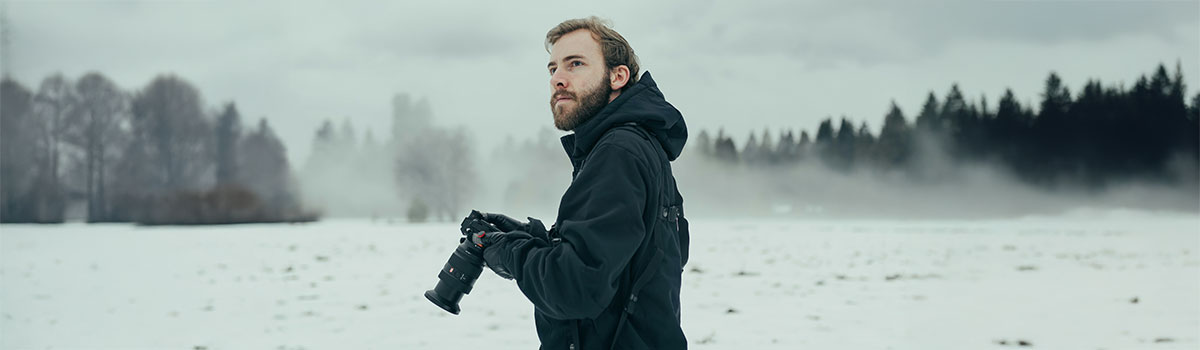
In the wet seasons, it's easy to ask yourself one or two questions about storing your equipment. But many landscape and astrophotographers will now be heading out into nature in winter and we have a few smart ideas for a dry rucksack.

Why should your camera equipment be stored in as dry a climate as possible?

Zoom lenses and vintage lenses in particular are susceptible to damage caused by moisture. The analog photographers among us still remember the suffering of glass fungus, which can quickly render expensive and faithful glass unusable.

So if you spend a lot of time in humid areas such as the tropics or in moody autumn weather, you should protect your equipment at the end of the day. Of course, this doesn't just happen with Lens, binoculars and spotting scopes can also be affected by glass fungus.

Many landscape and astrophotographers usually take photos with long exposures, which sometimes last for hours and can freeze the Lens and camera on a tripod.

We have already mentioned zoom lenses, but why? Many zoom lenses have the nickname: Air pump, this is because these lenses draw air when you zoom with them. This causes moisture or dust to enter the Lens.

What can you do about it?

One option here is to carry silica gel or a Dunedry stone in your rucksack, which draws the moisture out of the rucksack and thus ensures a dry climate in the rucksack and dries the glass. Silica gel and Dunedry have the charming advantage that they can be baked out when they are saturated with water to absorb moisture again.

For storage within your own four walls, you can also fall back on a professional solution that may sound familiar to wine lovers. These humidity cabinets are quite an expensive investment, but are certainly exciting for the one or other professional photographer +amp; videographer.

Advantages of dry Lens

In addition to reducing the risk of glass fungus, dry equipment offers other advantages that should not be neglected, what are they? Now you see:

  • Improvement in imaging performance, a dry Lens without condensation or fogged glass elements.
  • Reduction of corrosion on the electronics or the bayonet of the Lens.

Omegon DUNEDRY moisture absorber

  • Inexpensive
  • Large moisture absorption
  • Reusable, thanks to microwave or oven
  • Practical for the photo bag
  • With moisture indicator

Conclusion

Taking care to reduce moisture with your photographic equipment is a sensible aspect, especially if you travel a lot or have one or two vintage Lens in your possession, as these are usually even more susceptible to the infestation of glass fungus.


More photography guides

Fujifilm Tips Explained Simply: Settings, Tips & Examples

What are Fujifilm Presets? We’ll explain how they differ from Film Simulations, show you the right settings, and share our favorite presets for you to try.

More on this

The Best Nikon Cameras

Foto Koch Best Choice: We're introducing you to the best Nikon cameras, selected by our team.

Learn more

Fit for the photo season?

The weather is slowly getting warmer, the days are getting longer and, with the first spring colors, the desire to pick up the camera and go outside is increasing again. After the dark winter months, now is exactly the right time to get back into photography, discover new motifs and get in the mood for the coming photo season.

read now

Rollei tripod series "Version 2026": C6i C5i & Compact Traveler No. 1

Tripods can be really expensive, but they don't have to be. The Rollei version 2026 (C6i, C5i, Compact Traveler No. 1) offers creator features such as a monopod, divisible center column and smartphone holder at a fair price. Here you will find the right tripod for travel, everyday use or heavy setups.

view now

The great hybrid camera duel: Sony a7 V or Canon R6 III?

Two cameras that look almost the same on paper, but have different strengths in practice. Canon EOS R6 III and Sony Alpha 7 V are full-frame hybrids in the 33 MP sweet spot, with strong AF and 4K power. But: Who delivers more speed? Which offers the better video workflow? And which one is simply more fun in the end? We show you the differences that really matter.

view now

Tamron introduces new 35-100mm f/2.8 & Lens Utility Update 5.0

Tamron is expanding its line-up with a fast standard to telephoto zoom for full-frame cameras from Sony and Nikon. The aim of the development was clear: a compact, lightweight portrait zoom that is ideal for everyday use, travel and reportage. Tamron is also introducing many exciting functions for its lenses with the Tamron LINK Bluetooth adapter and the new version 5.0 of the Tamron Lens Utilty.

read more

Firmware update guide

A firmware update for the camera is often ignored, but it can significantly improve performance and functionality. Find out in this guide what firmware updates really do and how to install them correctly.

View now

Filmmaking 2.0: A professional look on a small budget | Marian Hirschfeld

Filmmaking in the digital age: In the lecture "Filmmaking 2.0", filmmaker Marian Hirschfeld talks about how affordable, yet professional equipment and freely accessible tools enable productions on a small budget. From camera to sound and lighting to post-production, he shows why compact setups are real alternatives today - and why it's not technology but workflow, experience and storytelling that make the difference in the end.

View now

Interesting campaigns

Which binoculars for your next sailing trip

Water sports have their own requirements for binoculars, because at sea the binoculars are exposed to the tides and navigation is more difficult, and marine binoculars offer special features to provide you with the best possible support.

learn more

First test of the Sony 16-35mm f2.8 GM2 compared to the 16-35 GM1

The new Sony 16-35mm GM2 is here and sets new standards! It is lighter, sharper and even more compact than its predecessor! Therefore, we show you today the direct comparison of the two G-Master lenses and show whether an upgrade is worth it!

Read now

Camera Basics #13: CMOS, BSI sensor or stacked sensor? What are the differences?

As a specialist retailer, we have a mission: we want to give you the best possible advice and help you to better understand the differences between the various technologies available on the camera market. That's why we want to give you an understanding of the different sensor technologies today. In particular, the differences between the stacked sensor and the BSI sensor.

Read now

The right binoculars for hunting

Finding an animal at a distance is not always easy, whether stalking, battue or driven hunt. A pair of binoculars as a perfect companion for hunting must require various criteria such as weather resistance under any condition, whether heavy rain or fog.

Read now

Also interesting

Peak Design Black Deal

Get up to 30% off Peak Design products during Black Weeks.

Save now

SmallRig Deal

Get Black Week discounts on all SmallRig products.

Get it now

Rate and win!

Your opinion matters! That's why you now have the chance to enter the drawing by reviewing a product of your choice and win one of three €100 gift cards!

Join now!

Rollei Deal

Get 15% off Rollei products.

Save Now